 |
 |

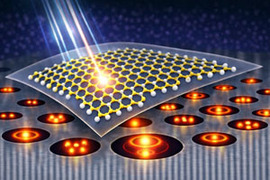
Australian-developed air cavities help atom-thin semiconductors shine brighter.
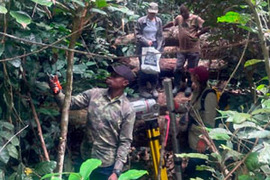
UCL London project conducts 3D tree census to better understand biomass that forests contain.
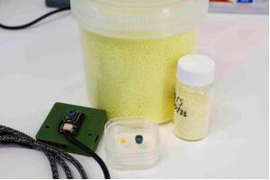
Development by Flinders University could cut need for costly lenses based on silicon and rare earths.

Working with UK nuclear industry, to address safety challenges posed by H2 storage.
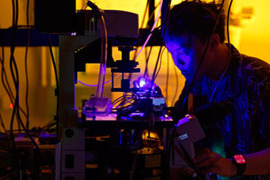
Suiting applications from transferring data in servers to powering displays.
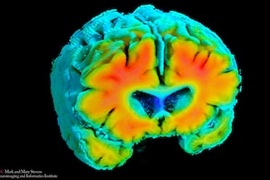
Stevens INI uses near-IR and ultrasound to study links between hemodynamics and disease.
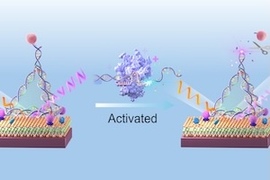
Light-based device uses quantum dots to spot ultra-low biomarker levels.
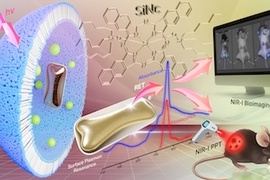
Use of novel nanorods keeps laser exposure within safe limits.
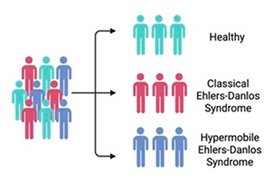
Canadian group presents polarization method to diagnose human tissue condition subtypes.
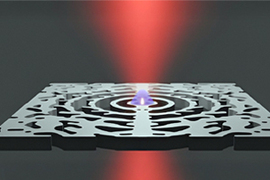
A step towards future digital communications by all-optical microchips.
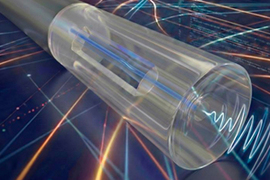
Immune to heat and high voltage, optical sensor can spot problems inside transformers.
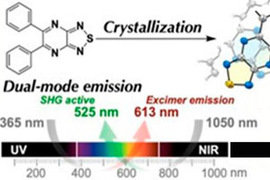
Researchers from three universities develop organic crystal that converts “invisible” light into red and green beams.
| © 2026 SPIE Europe |
|


